7,000 Years of Malta's History — From Megaliths to the European Union
“How a tiny island experienced more than most continents — a brief history of Malta”
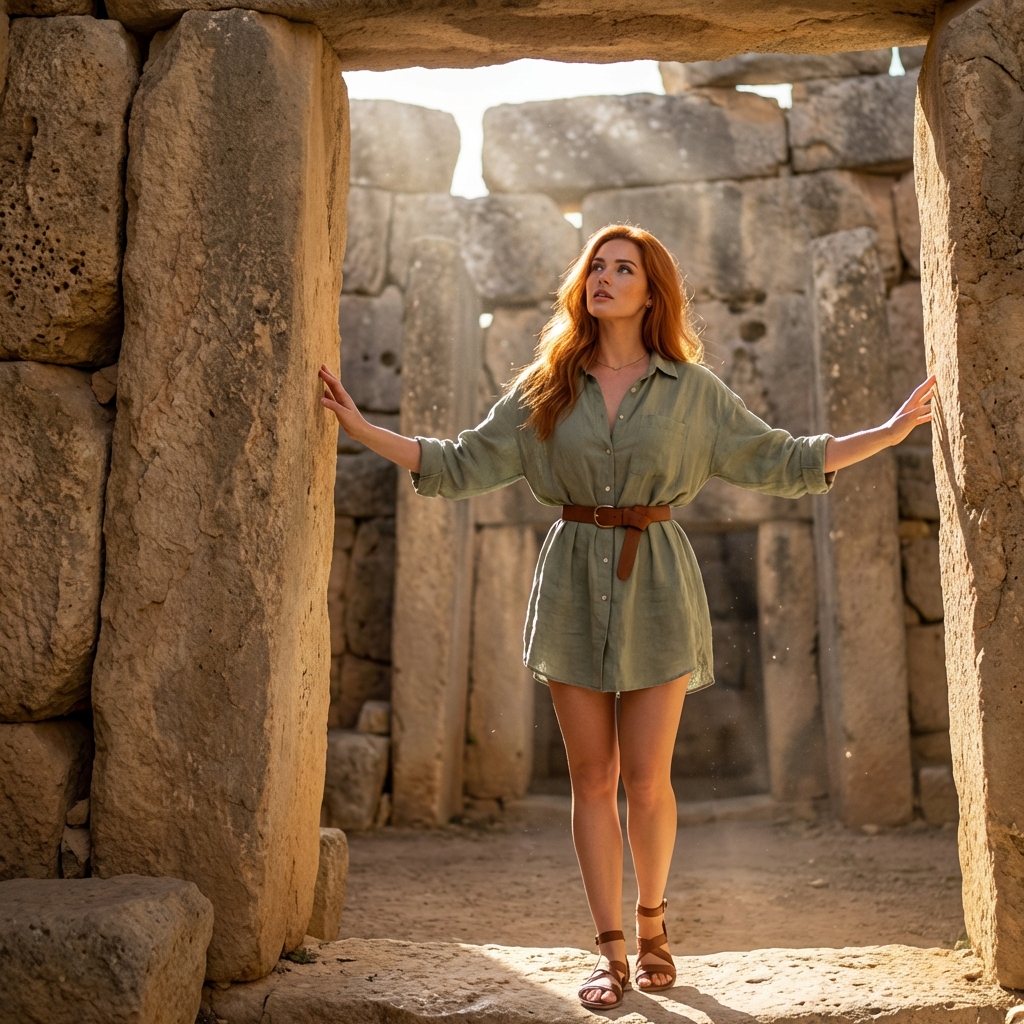
Maklowicz begins his Maltese journey with the words: "I'm in Malta and I want to start our Maltese stories in a place that is incredibly exciting for any historian." Malta is an archipelago whose history stretches back to 5200 BCE.
The Megalithic Era (3600-2500 BCE)
The Ggantija temples on Gozo and Hagar Qim on Malta are 1,000 years older than the Egyptian pyramids. They are the oldest free-standing stone structures in the world — UNESCO World Heritage listed.
Phoenicians, Romans, Arabs
The Phoenicians gave the island its name — "Malet" (shelter). The Romans made it a colony. In 60 CE, the Apostle Paul was shipwrecked here, bringing Christianity. The Arabs (870-1091) left the Maltese language — still Semitic to this day, written in the Latin alphabet.
The Knights of Malta (1530-1798)
268 years of rule by the Order was Malta's golden age. They built Valletta, defence systems, and hospitals. They repelled the Great Siege of 1565. Maklowicz devotes much attention to them, touring their palaces and fortifications.
Napoleon and the British
Napoleon seized Malta in 1798 — without a fight. But after 2 years the Maltese rebelled. The British took the island for 164 years (1800-1964). During WWII, Malta was so heavily bombed that King George VI awarded the entire island the George Cross.
Modern Times
Independence in 1964, republic in 1974, European Union in 2004, eurozone in 2008. Today Malta is one of the fastest-growing countries in the EU.